A stubborn area of fullness can feel frustrating when you are already exercising, eating thoughtfully, and taking care of your health. The question of Multishape versus nonsurgical fat reduction is really about finding an approach that respects the body you have now while supporting the shape and confidence you want to feel.
At Abundant Wellness & Beauty, body contouring is approached as part of a larger wellness picture. Your energy, hormones, nutrition, weight goals, lifestyle, and aesthetic preferences can all influence which treatment plan feels like the right fit. There is no one device or procedure that is best for every body, but understanding the differences can help you have a more productive consultation.
What Does Nonsurgical Fat Reduction Mean?
Nonsurgical fat reduction is a broad category, not one single treatment. It includes technologies and clinician-guided approaches designed to address localized fat or improve the appearance of body contours without surgical incisions, general anesthesia, or the recovery associated with liposuction.
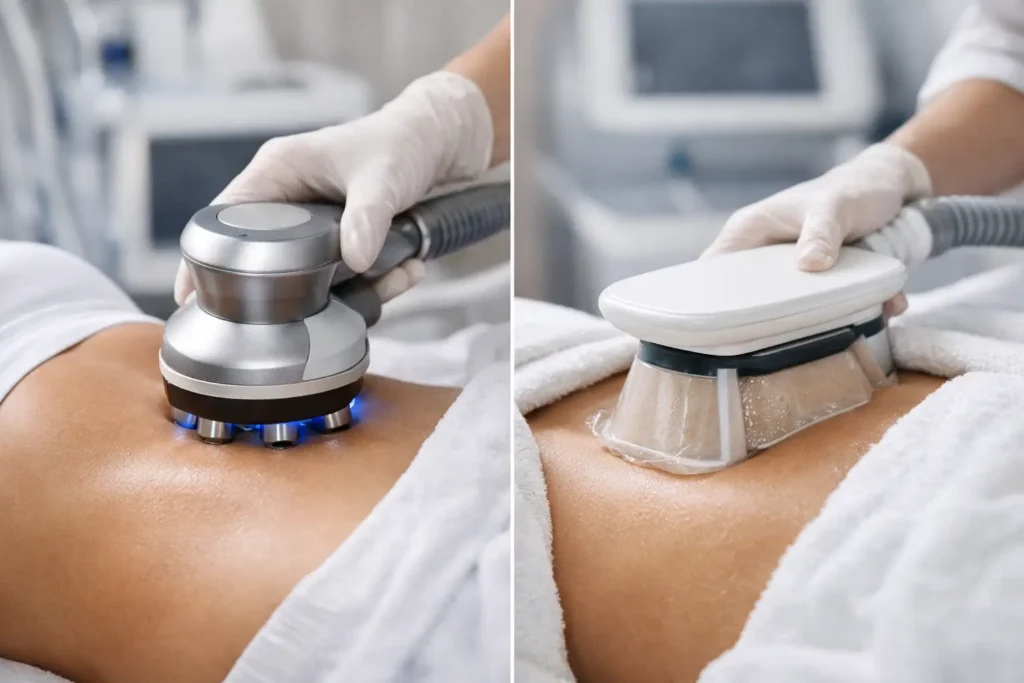
Depending on the treatment, energy such as heat, cold, laser, or ultrasound may be used to affect fat cells beneath the skin. Some approaches focus more on a specific pocket of fat, while others may also support skin appearance or create a smoother overall contour. The experience, treatment schedule, and timeline for visible change vary considerably by technology and by the area being treated.
These treatments are generally intended for contouring, not major weight loss. A person may be close to a comfortable, sustainable weight and still have areas that do not respond as readily to diet and exercise. That is often where a personalized body-contouring conversation begins.
Multishape Versus Nonsurgical Fat Reduction: The Key Difference
Multishape is itself a nonsurgical body-contouring option, rather than a completely separate alternative to the category. When people compare Multishape with nonsurgical fat reduction, they are often comparing a Multishape treatment plan with other types of noninvasive fat-reduction technologies.
The more useful question is: What does your particular area need? A treatment focused only on reducing a small, defined fat pocket may differ from a plan intended to improve the look of texture, circulation, and contour across a broader area. Multishape body contouring may be considered when the goal is a more comprehensive aesthetic approach rather than simply targeting fat cells in isolation.
Your clinician can help clarify whether your concern is primarily localized fullness, skin laxity, the appearance of cellulite, fluid retention, or a combination of these. Those details matter because each concern responds differently, and expectations should be based on your starting point rather than a before-and-after photo from someone else.
Treatment feel and comfort
Comfort is an important practical difference. Nonsurgical treatments are designed to avoid surgery, but that does not mean every option feels the same. Some technologies create a pronounced cooling, warming, suction, pressure, or tingling sensation. Others feel more like a focused wellness treatment with periods of heat or stimulation.
Multishape sessions may be appealing to clients who value a comfortable, calming experience and a treatment plan that can be adjusted around their goals. Still, comfort is personal. Sensitivity, the treatment area, and the settings selected by the clinician can all affect how a session feels.
The areas and concerns being treated
A single, pinchable area of fullness may call for a different strategy than a concern involving the abdomen, thighs, arms, hips, or back. Skin quality also deserves attention. If skin has lost some firmness due to age, weight changes, or hormonal shifts, a fat-reduction-only approach may not create the polished result you have in mind.
This is one reason an individualized assessment is valuable. Reducing volume in an area without considering the skin over it may not always enhance the contour. For some clients, the best plan is a series of treatments that supports both shaping and the appearance of smoother skin.
Results and timing
Neither Multishape nor other nonsurgical fat-reduction options should be viewed as an instant transformation. The body needs time to respond, and visible improvement may develop gradually over several weeks or months. Some plans involve a series of appointments, while others are structured around fewer sessions with time between treatments.
Results also depend on factors outside the treatment room. Stable weight, hydration, movement, sleep, and nutrition can help you maintain a contouring result. Hormonal changes can affect body composition and the way you feel in your clothes, too. For clients navigating perimenopause, menopause, low testosterone, or persistent low energy, addressing wellness from the inside out may be an important part of the conversation.
When Multishape May Be a Good Fit
Multishape may be worth discussing if you are looking for body contouring that feels supportive of a wider aesthetic and wellness plan. It can be especially appealing when you want to focus on the appearance of shape and skin quality, not just a number on the scale.
It may also suit someone who prefers an appointment-based experience in a boutique setting, with room to ask questions and reassess goals as treatment progresses. Body confidence is personal. You should not feel rushed into a generic package or pressured to treat an area simply because a trend says you should.
That said, Multishape is not automatically the right choice for everyone. A client seeking a highly targeted approach for one small fat pocket may benefit from exploring another nonsurgical option. Someone looking for dramatic volume reduction may need a conversation about whether a noninvasive treatment can reasonably meet that expectation. Honest guidance protects both your investment and your confidence.
Questions to Bring to Your Consultation
A consultation should feel like a conversation, not a sales pitch. Bring your goals, your health history, and any concerns about comfort or downtime. It can help to ask:
- What is contributing most to the area I want to improve: fat, skin laxity, texture, or a combination?
- Is Multishape appropriate for my goals, or would another nonsurgical treatment make more sense?
- How many sessions may be recommended, and when might I begin to notice change?
- What sensations, temporary effects, and aftercare should I expect?
- How can my nutrition, activity, weight-management, or hormone goals support my results?
A qualified clinician should also review whether you have any health conditions, implanted devices, skin concerns, medications, or other factors that could affect treatment eligibility. Nonsurgical does not mean suitable for every person, and safety always comes before convenience.
Looking Beyond the Treatment Area
Body contouring can be a meaningful confidence boost, but it works best when it is not carrying the entire weight of your wellness goals. If you feel depleted, struggle with weight fluctuations, or notice changes in muscle tone and body composition, a more complete plan may be helpful. Personalized support with hormone balance, nutrient replenishment, weight management, and lifestyle habits can complement aesthetic treatments in a thoughtful way.
The right choice is not about choosing the most intense treatment or chasing a perfect body. It is about choosing a plan that feels realistic, comfortable, and aligned with how you want to live. A careful consultation can turn a vague frustration with one area into a clear, encouraging path toward feeling more at home in your body.