
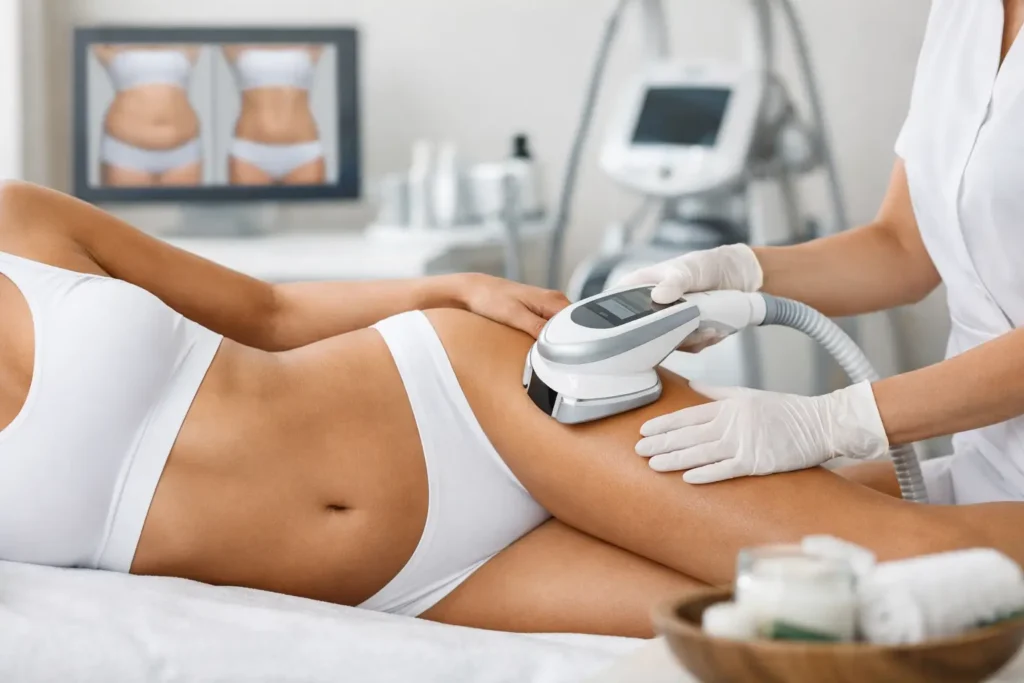
A number on the scale can change without changing the areas that feel most frustrating. For many people, body contouring is appealing because it focuses on those stubborn pockets and overall shape concerns that may remain despite thoughtful nutrition, movement, and weight-loss efforts. The right approach is not about chasing an unrealistic ideal. It is about feeling more comfortable, balanced, and confident in your own body.
Noninvasive contouring can be a valuable part of a personalized wellness plan, especially when it is chosen with clear expectations and professional guidance. Before scheduling a treatment, it helps to understand what it is designed to do, who may benefit most, and why your broader health picture still matters.
What Body Contouring Is Designed to Address
Body contouring describes treatments that aim to improve the appearance of specific areas of the body without surgery. Depending on the technology used, treatment may help target fat cells, support circulation and lymphatic flow, improve the look of cellulite, or encourage a smoother, more toned-looking appearance.
At Abundant Wellness & Beauty, Multishape body contouring may be considered for clients who want a non-surgical option as part of their aesthetic and wellness goals. These treatments are typically performed in a comfortable studio setting and are planned around the areas a client would like to address, such as the abdomen, waist, thighs, arms, or other common concern areas.
The most satisfying results often come from refining body shape rather than expecting a dramatic change in body weight. If your goal is to look more defined in clothing, feel better about an area that has been resistant to lifestyle changes, or support the appearance of smoother skin, contouring may be worth discussing.
What It Cannot Replace
A personalized treatment plan begins with honesty. Body contouring is not a substitute for weight-loss care, consistent nutrition, strength training, sleep, or medical support when those needs are present. It is also not a treatment for obesity, and it cannot promise that every concern will disappear after one session.
Results vary based on the treatment method, the area being treated, your starting point, body composition, skin quality, and everyday habits. Some clients notice gradual changes over a series of sessions, while others may see more modest improvement. A qualified clinician can help set realistic expectations before treatment begins.
This distinction matters because the body is interconnected. Hormonal shifts, stress, poor sleep, low energy, nutrient needs, and changes in metabolism can all influence how a person feels and how easily they maintain their desired weight. Aesthetic concerns deserve attention, but they do not have to be separated from the rest of your wellness story.
Who May Be a Good Candidate?
The best candidates are generally adults who are close to a stable, sustainable weight and want to address localized areas that have not responded as they hoped to healthy routines. They understand that contouring is a gradual, supportive treatment rather than a quick fix.
A consultation is especially helpful if you have recently experienced a major weight change, pregnancy-related body changes, perimenopause or menopause, or a noticeable change in body composition. Men navigating low-testosterone symptoms may also find that a conversation about energy, muscle maintenance, weight patterns, and overall wellness provides useful context before pursuing aesthetic services.
Not everyone is an appropriate candidate for every modality. Pregnancy, certain implanted devices, active medical conditions, skin concerns in the treatment area, or a history of specific health issues may affect whether treatment is advisable. Be open about your health history, medications, goals, and concerns so your provider can recommend the safest path forward.
A consultation should feel personal
A good consultation is more than choosing an area and booking an appointment. It should include a conversation about what you have tried, what changes you hope to see, your timeline, and the role lifestyle or wellness support may play. Photographs or measurements may be used to establish a baseline, since gradual changes can be difficult to notice day to day.
You should also have space to ask practical questions: How many sessions may be recommended? What does the treatment feel like? Is there downtime? When might changes become noticeable? Are there steps to take before or after an appointment? Clear answers help you make a confident, informed decision.
Why a Series Often Makes Sense
Many noninvasive body contouring treatments are designed to work progressively. Your body needs time to respond, which is why a provider may recommend a series of appointments rather than a single visit. The schedule depends on the technology, treatment area, and your individual response.
Consistency matters, but so does patience. Changes are often subtle at first and become more apparent over the following weeks. Rather than evaluating a treatment after only a few days, it is more useful to compare progress over time using the same lighting, clothing, and body position.
Supporting your plan with hydration, regular movement, nourishing meals, and adequate rest can also help you stay connected to your goals. These habits do not guarantee a particular aesthetic result, but they support the healthy foundation that makes any wellness plan more meaningful.
Pairing Contouring With Whole-Body Wellness
For some clients, body confidence is closely tied to how they feel physically. Low energy can make exercise harder to maintain. Hormone changes can affect sleep, mood, body composition, and motivation. Busy schedules can lead to inconsistent meals, dehydration, and the feeling that self-care has become one more task to manage.
This is where an integrated approach can be valuable. Weight-management support, clinician-guided hormone care when appropriate, and nutrient-focused services may help address factors that influence how you feel from the inside out. These services are not interchangeable, and no one plan is right for everyone. Still, looking at the full picture can be more helpful than treating a body concern in isolation.
For example, someone who feels fatigued and discouraged by changing weight patterns may benefit from discussing overall wellness goals before focusing solely on contouring. Someone already maintaining a healthy routine but bothered by a small, persistent area may be ready for a more targeted aesthetic plan. The difference is why individualized care matters.
Choosing Results That Feel Like You
The best aesthetic outcomes are not about looking like someone else. They are about helping your outer appearance reflect the energy and care you are investing in yourself. A thoughtful body contouring plan should respect your anatomy, your health history, your schedule, and your comfort level.
If you are considering body contouring in the Wilton Manors or Fort Lauderdale area, begin with a consultation rather than a promise. Bring your questions, be clear about what you want to change, and allow your clinician to guide you toward an approach that supports both your confidence and your well-being.
Feeling your best rarely comes from one decision or one appointment. It grows through small, personalized choices that help you feel more at home in your body, one step at a time.