
A sudden afternoon energy crash, restless sleep, low libido, stubborn weight changes, or feeling unlike yourself can have many causes. For some adults, hormonal shifts are part of the picture. Bioidentical hormone replacement therapy pellets are one option worth discussing with a qualified clinician when symptoms, medical history, and appropriate testing point toward a hormone-related concern.
At Abundant Wellness & Beauty, the conversation starts with you – how you feel, what has changed, and what you hope to restore. Hormone care should never be a one-size-fits-all decision or a shortcut to feeling younger. It is a personalized process designed to support balance, comfort, energy, and long-term wellness.
What Are Bioidentical Hormone Replacement Therapy Pellets?
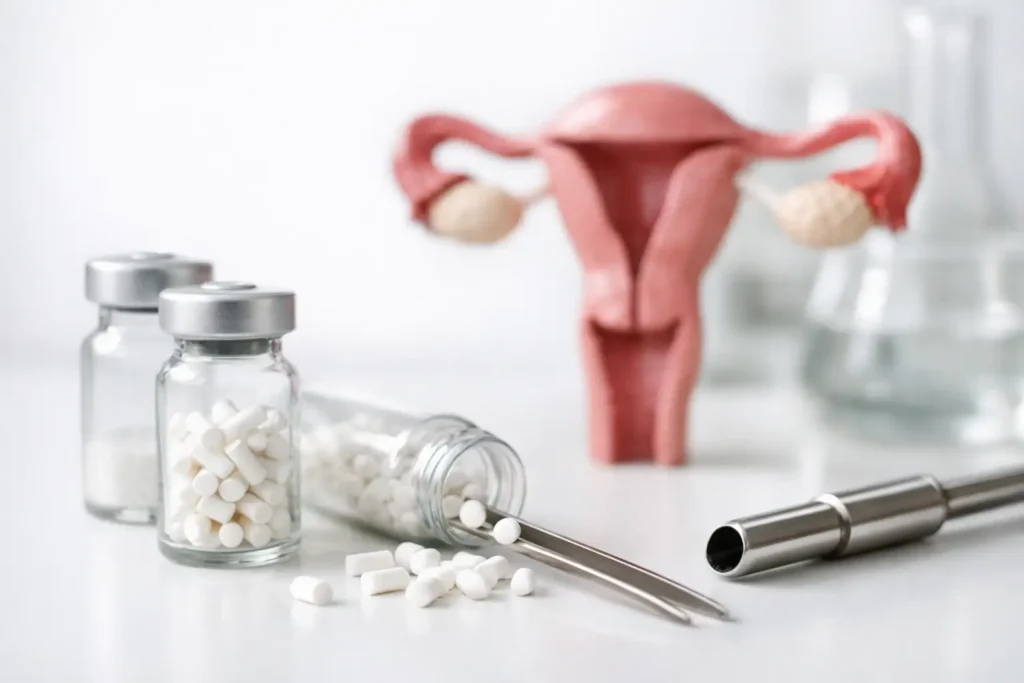
Hormone pellets are tiny, solid cylinders placed beneath the skin, most often in the upper buttock area. They gradually release hormones over time. Depending on the treatment plan, pellets may contain testosterone, estradiol, or another clinician-selected formulation.
The word bioidentical refers to a hormone with the same chemical structure as a hormone produced by the human body. That description can be reassuring, but it is not a guarantee that a treatment is right for everyone or free of risk. The appropriate hormone, dose, delivery method, and monitoring plan still depend on your individual health profile.
Pellets are often used by women experiencing perimenopause or menopause-related changes and by men with clinically evaluated low testosterone. They are not intended to replace a thorough health assessment. Sleep quality, stress, thyroid function, nutrition, medications, alcohol use, and underlying medical conditions can all affect energy, mood, weight, and sexual wellness.
How Hormone Pellets Are Placed
Pellet therapy begins well before the placement appointment. A clinician reviews your symptoms, personal and family medical history, current medications, and relevant lab work. This helps determine whether hormone therapy is appropriate and which approach may fit your needs.
If pellets are selected, the placement itself is a brief in-office procedure. The area is cleaned and numbed with local anesthetic. A small incision allows the clinician to insert the pellets under the skin, then the area is closed and covered. Most people can return to normal daily routines quickly, although they may need to avoid strenuous lower-body exercise, swimming, or pressure on the area for a short period while it heals.
The release pattern is gradual, but it is not identical for every person. Activity level, body composition, metabolism, pellet dose, and the specific formulation can influence how long the effects last. Follow-up timing varies, and your clinician should explain what to expect before treatment begins.
Why Some People Prefer Pellets
The appeal of pellets is convenience. Instead of remembering a daily cream, patch, or pill, clients receive a treatment designed to provide a steady release over a period of months. Some people also prefer avoiding the fluctuations they may experience with other delivery methods.
For the right candidate, a consistent delivery option can feel like a welcome part of a proactive wellness plan. Still, convenience is only one consideration. A method that works beautifully for one person may be less suitable for another.
The Trade-Off: Pellets Are Not Easily Adjusted
The same long-lasting quality that makes pellets appealing also deserves careful thought. Once pellets are placed, the dose cannot simply be turned down the next day if you experience unwanted effects. The body must metabolize the hormone over time, though a clinician may sometimes remove pellets in limited circumstances.
This is why thoughtful dosing and clinical oversight matter. A responsible provider does not rely on symptoms alone or promise a particular outcome. Ongoing follow-up helps assess how you are feeling, review any side effects, and determine whether the plan needs to change at a future visit.
Potential side effects vary by hormone and person. With testosterone therapy, some people may experience acne, oily skin, increased facial or body hair, scalp hair changes, mood shifts, or changes in red blood cell counts. Estrogen therapy may have different considerations, including breast tenderness, bleeding changes, headaches, and risks that depend on your age, medical history, and whether you have a uterus.
There are also procedure-related risks, such as bruising, soreness, infection, scarring, or pellet extrusion. These possibilities do not mean pellets are automatically unsafe. They do mean that treatment should be selected carefully and managed by a knowledgeable clinician.
Who May Be a Candidate for Hormone Pellet Therapy?
The best candidates are not defined by age alone. A woman in perimenopause with disruptive hot flashes and sleep changes may need a different conversation than a postmenopausal woman focused on vaginal discomfort or bone health. Likewise, a man with fatigue and low libido needs more than a testosterone level drawn at a random time of day. Symptoms should be evaluated in context.
Your clinician may consider pellet therapy after discussing concerns such as persistent low energy, reduced sexual desire, mood changes, sleep disruption, changes in muscle mass, or menopause-related symptoms. They will also look for reasons to avoid or postpone treatment.
People with certain cancers, unexplained vaginal bleeding, blood-clotting concerns, uncontrolled cardiovascular conditions, prostate concerns, pregnancy, or other specific health issues may need a different approach. This is not a complete list, and it is exactly why a private consultation is more valuable than choosing a treatment based on social media testimonials.
Questions to Ask Before Choosing Pellets
A good hormone consultation should leave you feeling informed, not pressured. Ask what symptoms may be hormone-related and what other causes should be considered. Ask which labs are relevant, how often they will be checked, and how your provider will track your response over time.
It is also reasonable to ask what hormone is being used, whether the product is FDA-approved or compounded, and why that option was selected. Many bioidentical pellet preparations are compounded, meaning they are prepared for an individual prescription and are not reviewed by the FDA in the same way as an approved drug product. Compounded care can have a place in individualized treatment, but you deserve clear information about quality, oversight, and alternatives.
Finally, discuss other delivery methods. Hormones may be available as injections, creams, gels, patches, pills, or vaginal preparations, depending on the hormone and your goals. Pellets are one tool, not the only path to support.
Building a Wellness Plan Around the Whole You
Hormones can influence how you feel, but they are only one part of your well-being. The strongest treatment plans also make room for sleep, hydration, protein and nutrient intake, movement, stress management, and preventive care. For many clients in Wilton Manors and Fort Lauderdale, that broader view is what makes personalized wellness feel sustainable rather than overwhelming.
If you are considering bioidentical hormone replacement therapy pellets, bring your questions, your health history, and an honest picture of what has been difficult lately. The right next step is not chasing a promise of perfection. It is finding clinician-guided care that respects your body, your goals, and the version of well-being you want to feel every day.