
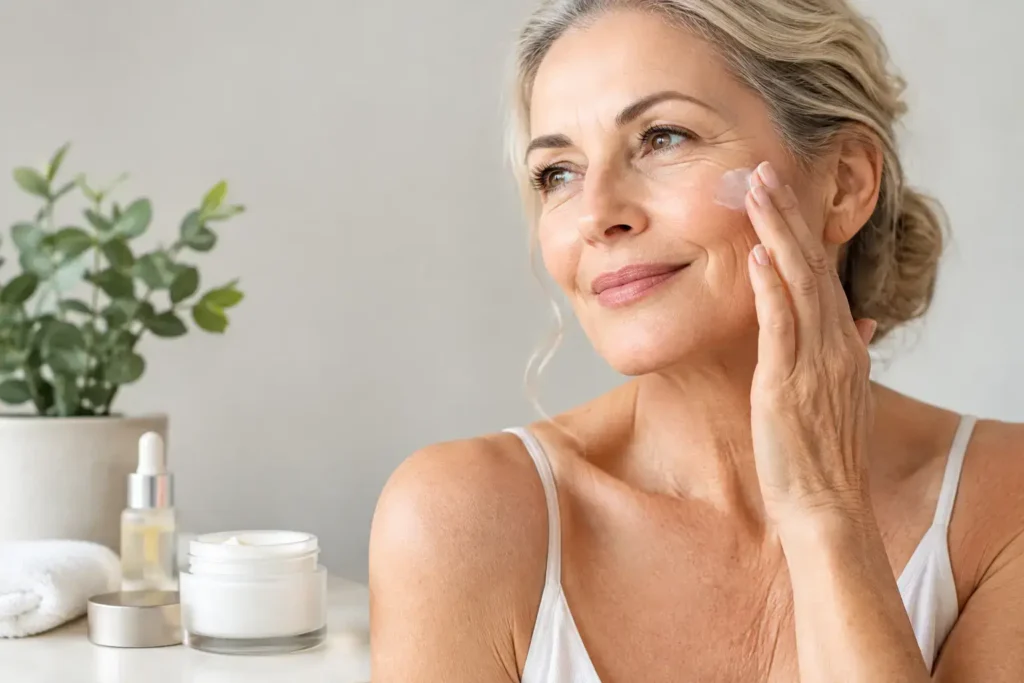
Crepey skin can make the arms, chest, neck, knees, or under-eye area look thinner, looser, and finely wrinkled – almost like delicate tissue paper. It is a common concern, especially after menopause, weight changes, or years of South Florida sun exposure. The best treatments for crepey skin are rarely one quick fix. They combine consistent protection, collagen-supporting skincare, and thoughtfully chosen professional care based on where the skin is changing and what is driving it.
The encouraging news is that skin can often look smoother, more hydrated, and more resilient with the right plan. Results take patience because the skin’s support structures rebuild gradually, but small daily choices can make a meaningful difference.
Why crepey skin develops
Crepey texture happens when skin loses some of its collagen, elastin, and natural moisture. Collagen gives skin structure, elastin helps it spring back, and healthy hydration keeps its surface looking plump rather than crinkled. As these elements decline, the skin can become more fragile and less firm.
Aging is part of the picture, but it is not the whole story. Ultraviolet exposure is a major contributor, particularly on areas that receive frequent sun without consistent protection. Menopause and other hormonal shifts may also affect collagen production, skin thickness, and moisture. Dehydration, smoking, rapid weight loss, certain medications, and genetics can contribute as well.
That is why a personalized approach matters. Crepey skin on sun-exposed forearms may need a different strategy than thinning, dry skin that appeared during perimenopause or after a significant change in weight.
Best treatments for crepey skin: start with daily protection
The most effective plan begins at home. Professional treatments can support visible improvement, but ongoing sun exposure can work against the progress you are trying to make.
Wear broad-spectrum sunscreen every day
Use a broad-spectrum SPF 30 or higher on exposed skin, including the neck, chest, hands, and arms. This is not only for beach days. Driving, walking the dog, and sitting near windows can add up over time in Fort Lauderdale’s bright climate.
Reapply when you are outdoors for extended periods, and use sun-protective clothing when practical. A lightweight long-sleeve layer or wide-brimmed hat can be particularly helpful for the chest and arms, where crepey texture is often noticeable.
Prioritize barrier-supporting moisture
Crepey skin often looks more pronounced when it is dry. A richer body cream can temporarily improve the appearance of fine lines by drawing water into the outermost layer of skin and reducing roughness.
Look for ingredients such as glycerin, hyaluronic acid, ceramides, squalane, and urea. Apply moisturizer after bathing while skin is still slightly damp. For very dry areas, following your cream with a thin layer of an occlusive product can help reduce moisture loss overnight.
This will not replace lost collagen, but it is an important foundation. Well-moisturized skin usually looks healthier and feels more comfortable while longer-term treatments do their work.
Consider a retinoid, carefully
Retinoids, including prescription tretinoin and over-the-counter retinol, are among the most studied topical ingredients for supporting collagen and improving fine texture over time. They encourage skin-cell turnover and can help skin look smoother with consistent use.
The trade-off is irritation. Retinoids can cause dryness, flaking, and sensitivity, especially on thin skin or when used too often too soon. Begin with a low-strength product two nights a week, use moisturizer, and increase slowly only if your skin is tolerating it well. Daily sunscreen is essential when using a retinoid.
Pregnant or breastfeeding individuals should ask a qualified clinician before using retinoid products. If you have eczema, rosacea, or very sensitive skin, professional guidance can help you avoid a routine that leaves your skin more irritated than renewed.
In-studio options that support collagen renewal
When home care is not enough, in-studio aesthetic treatments may be helpful. The best option depends on the treatment area, degree of laxity, skin tone, medical history, downtime preferences, and comfort level. A consultation should include a clear discussion of what a treatment can realistically improve.
Microneedling
Microneedling uses very small needles to create controlled microchannels in the skin. This process is designed to stimulate the body’s repair response and support new collagen production. It may be used for fine lines, texture concerns, and mild laxity on areas such as the face, neck, chest, or body.
Because collagen remodeling is gradual, results typically develop over several weeks to months and may require a series of treatments. Temporary redness and sensitivity are common afterward. Proper technique and aftercare are especially important for minimizing irritation and pigmentation concerns.
Radiofrequency-based skin tightening
Radiofrequency treatments deliver controlled heat into deeper skin layers to encourage collagen remodeling. Depending on the technology, these treatments may be used on the face or body to improve mild skin laxity and crepey texture.
They can be a good fit for someone who wants subtle, gradual improvement without surgery. Still, they are not a substitute for a surgical lift when there is significant loose skin. Results vary, and multiple sessions are commonly recommended.
Laser or light-based resurfacing
Laser resurfacing can improve texture, fine lines, and sun-related damage by encouraging the skin to renew itself. Some approaches involve more noticeable downtime, while others are gentler and require a series of sessions.
This category deserves an individualized conversation. Laser settings, skin type, history of hyperpigmentation, sun exposure habits, and recovery time all matter. In experienced hands, a carefully selected treatment plan can be valuable, but more aggressive is not always better.
Biostimulatory injectables
For selected areas and candidates, certain injectables are designed to stimulate collagen production gradually. They are not the same as traditional fillers, which add immediate volume. A qualified clinician can explain whether biostimulation is appropriate for concerns such as thinning facial skin, crepey cheeks, or laxity around the jawline.
These treatments are not right for every area of the body, and they should not be chosen simply because a friend had them. Placement, skin quality, and your overall aesthetic goals should guide the decision.
Support skin from the inside out
Healthy skin reflects more than a skincare shelf. Adequate protein, regular hydration, quality sleep, movement, and a nutrient-dense eating pattern all support the body processes involved in skin health. Smoking cessation is especially meaningful, as smoking accelerates collagen breakdown and impairs circulation.
For many adults, hormonal change is also part of the conversation. During perimenopause and menopause, declining estrogen can contribute to dryness and changes in skin thickness and elasticity. For men, broader health concerns, including low energy or changes in body composition, may affect how they feel about their appearance and well-being.
Hormone treatment is not a cosmetic cure for crepey skin, and it should never be started solely for that purpose. However, if you are experiencing symptoms of hormonal imbalance alongside skin changes, a clinician-guided evaluation may help identify whether a broader wellness plan is appropriate. At Abundant Wellness & Beauty, that conversation can consider your skin goals within the larger picture of energy, comfort, nutrition, body confidence, and balance.
How to choose the right plan
Be wary of any product or treatment that promises to erase crepey skin overnight. Meaningful improvement is usually gradual, and the most satisfying results often come from pairing daily home care with the right in-studio treatment rather than relying on one approach alone.
A helpful consultation starts with your priorities. Are you most concerned about dry, crinkled skin on the arms? Fine texture on the neck and chest? Facial volume loss? Do you want no downtime, or are you comfortable with a few days of recovery for potentially stronger results? Clear answers make it easier to build a plan that feels realistic and comfortable.
Your skin does not need to look like it did at 25 to look healthy, cared for, and vibrant. A consistent routine, smart sun protection, and personalized clinical guidance can help you care for it with patience and confidence.