
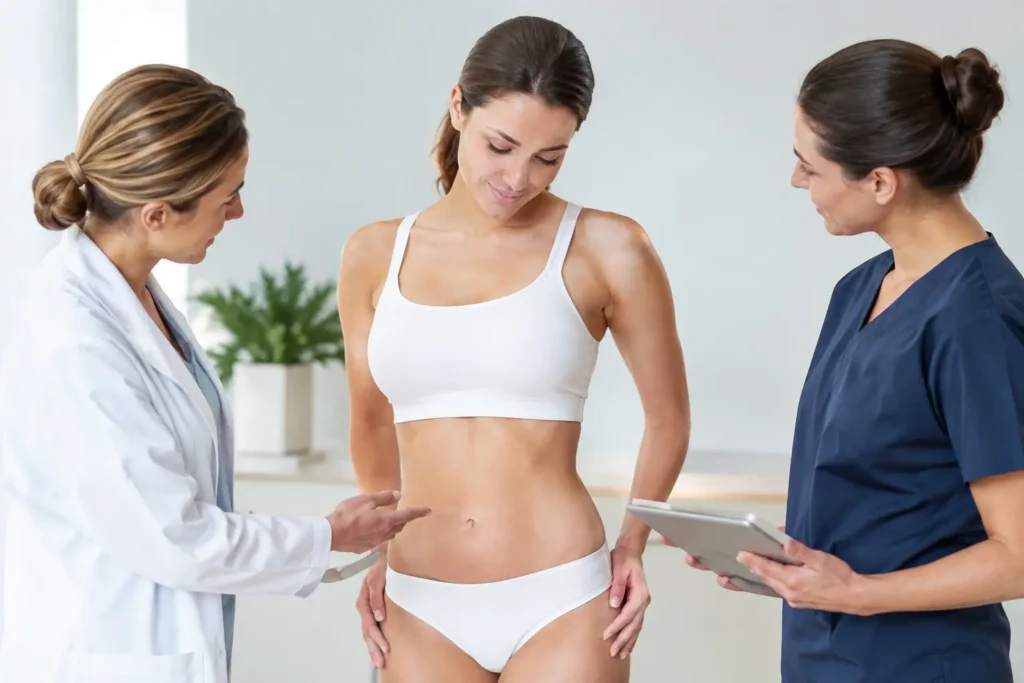
A stubborn pocket of fullness at the abdomen, thighs, arms, or under the chin can feel frustrating when you are already making thoughtful choices for your health. That is why the conversation around body contouring versus liposuction deserves more than a quick comparison of before-and-after photos. Both can refine an area that does not respond the way you would like, but they take very different paths to get there.
The better option is not necessarily the treatment with the fastest or most dramatic result. It is the one that fits your goals, comfort level, timeline, overall health, and willingness to undergo a surgical procedure. For many people, the most satisfying choice begins with an honest consultation rather than a one-size-fits-all promise.
Body Contouring Versus Liposuction: The Core Difference
Liposuction is a surgical procedure that removes fat cells from a targeted area. A qualified surgeon makes small incisions, inserts a thin tube called a cannula, and suctions out fat. Depending on the treatment plan and the areas involved, liposuction may be performed with local anesthesia, sedation, or general anesthesia.
Noninvasive body contouring, by contrast, refers to treatments designed to improve the appearance of specific areas without incisions or surgery. Technologies vary. Some approaches may use energy-based methods to target fat, support skin appearance, or encourage a more sculpted look over time. At Abundant Wellness & Beauty, Multishape body contouring is part of a personalized approach for clients who want to support body confidence in a calm, appointment-based setting.
The distinction matters because liposuction physically removes a larger volume of fat in one procedure, while noninvasive contouring typically works gradually and may require a series of sessions. Neither option is intended to replace weight-loss care, balanced nutrition, strength training, or attention to hormone and metabolic health.
When Noninvasive Body Contouring May Be a Better Fit
Body contouring often appeals to people who are close to a stable, healthy weight but want help with a localized concern. You may have a small area of fullness that remains despite regular movement and mindful eating, or you may notice changes in skin texture and body shape after weight fluctuations, pregnancy, or hormonal shifts.
For the right candidate, the biggest advantage is convenience. Most noninvasive treatments do not involve incisions, anesthesia, or a surgical recovery period. Many clients return to their usual routines shortly afterward, although the exact experience depends on the technology used and the treatment area.
Results also develop differently. The body needs time to respond, so visible changes may appear gradually over several weeks or months. This can be a benefit for someone who prefers a subtle progression rather than an immediate, more noticeable change. A series of treatments may be recommended to work toward the desired result.
Noninvasive contouring can be especially appealing if you value a wellness-centered plan. Body composition and appearance are influenced by more than the fat in one area. Sleep, stress, nutrition, activity, hydration, hormonal balance, and weight stability can all affect how you feel in your body. Addressing the broader picture may help you maintain your results and feel more energized along the way.
That said, body contouring has limits. It cannot produce the same degree of fat removal as surgery, and it may not be the best answer for significant skin laxity, a large volume of unwanted fat, or a major body transformation goal. A reputable provider should be clear about what is realistic before treatment begins.
When Liposuction May Make More Sense
Liposuction can be a strong option for someone seeking a more pronounced change in a defined area. It is commonly considered for the abdomen, flanks, thighs, upper arms, back, chin, and other places where excess fat remains resistant to lifestyle efforts. Because fat is removed during the procedure, the contour change can be more immediate once early swelling begins to settle.
Surgery does require a greater commitment. Recovery commonly includes swelling, bruising, tenderness, compression garments, and activity restrictions. The timeline varies by the extent of treatment, the areas addressed, and your individual healing process. Final results can take several months as swelling resolves and tissues adapt.
There are also surgical considerations that should never be minimized. Liposuction carries risks, including uneven contours, fluid accumulation, infection, bleeding, changes in sensation, anesthesia-related complications, and scarring at incision sites. Choosing a properly qualified surgeon and following pre- and post-procedure instructions are essential parts of protecting your health.
Liposuction is not a shortcut around long-term weight management. While removed fat cells do not return in the same way, remaining fat cells can still enlarge with weight gain. Maintaining a stable weight and sustainable routines makes a meaningful difference in preserving your new shape.
Compare Recovery, Results, and Commitment
The practical differences between body contouring and liposuction can make the decision clearer. Noninvasive contouring generally involves little to no downtime, gradual results, and a lower level of disruption to daily life. It can be well suited to people who prefer to avoid surgery and are comfortable with a modest, progressive improvement.
Liposuction requires downtime and more preparation, but it can deliver a more dramatic reduction in a single treatment plan. It may be appropriate when a person has enough localized fat that a noninvasive approach is unlikely to meet their expectations.
Cost is another consideration, but it should be viewed in context. A surgical procedure may have a higher upfront cost because it includes the surgeon, facility, anesthesia, and recovery-related needs. Noninvasive body contouring may cost less per session, yet a full plan can involve multiple appointments. The most useful comparison is not the price of one appointment. It is the expected result, total treatment plan, recovery requirements, and whether that approach genuinely aligns with your goals.
Your Starting Point Matters More Than the Trend
The best candidates for either option are usually in generally good health, have realistic expectations, and can maintain a stable weight afterward. Your medical history matters, too. Certain health conditions, medications, recent surgeries, skin concerns, implanted devices, pregnancy, or breastfeeding status may affect whether a particular body contouring treatment is appropriate. Surgical candidacy requires its own detailed medical screening.
It is also worth pausing to consider what you want to change. If the concern is a small area that makes you feel less confident in fitted clothing, noninvasive contouring may be enough. If you are hoping for a substantial reshaping of the abdomen or several body areas, a consultation with a board-certified plastic surgeon may be the more appropriate next step.
For some people, the concern is not only fat. Loose skin, abdominal muscle separation after pregnancy, cellulite, changes related to menopause, or overall weight gain call for different conversations. No single treatment solves every concern, and a thoughtful provider will not force an answer simply because a procedure is available.
Questions to Ask Before You Choose
Before scheduling body contouring or liposuction, ask what result is reasonably expected for your body and how that result will be measured. Ask how many sessions or procedures are likely needed, when you may see changes, what recovery will look like, and what side effects are possible.
You should also ask who will perform the treatment, what credentials they hold, and whether they have evaluated your health history. For liposuction, confirm the surgeon’s qualifications and the setting where surgery will take place. For noninvasive treatment, ask which technology is being recommended and why it fits your particular concern.
Be cautious of guarantees, extreme claims, or pressure to make a same-day decision. Your body deserves an approach that feels informed and comfortable, not rushed.
Aesthetic care can be part of feeling refreshed, confident, and more at home in your body. Give yourself permission to choose the path that supports both your appearance goals and your peace of mind. A personalized conversation can help you move forward with clarity, whether your next step is a gradual contouring plan, a surgical consultation, or a renewed focus on whole-body wellness.